

As pediatric dental professionals, we spend a lot of time looking at your child’s teeth—but we’re also paying attention to the bigger picture. One question you may hear during your child’s dental visit is:
“Does your child sleep with their mouth open?”
It may seem like an unusual question for the dentist to ask, but the way a child breathes and sleeps can provide helpful information about their overall oral development.
Mouth Breathing Isn’t Always Just a Habit
Occasional mouth breathing can happen when a child has a stuffy nose, seasonal congestion, or is recovering from an illness. However, if your child regularly sleeps with their mouth open, it may be worth paying attention to.
Children who consistently breathe through their mouths may have difficulty breathing comfortably through their nose. Possible contributing factors can include nasal congestion, enlarged tonsils or adenoids, allergies, or other airway-related concerns.
Mouth breathing does not automatically mean there is a problem, but persistent mouth breathing is something worth discussing with your child’s healthcare provider.
What Does Sleep Have to Do With Dentistry?
Sleep is an important part of childhood development, and your child’s sleep habits can sometimes show up in their mouth.
During your child’s dental visit, we may ask about things such as:
- Sleeping with their mouth open
- Snoring
- Restless sleep
- Grinding or clenching their teeth
- Unusual sleeping positions
- Waking frequently throughout the night
- Dry mouth or lips in the morning
- Daytime tiredness or difficulty staying focused
These observations don’t diagnose a sleep or airway disorder. Instead, they can help us identify patterns that may be worth discussing with your child’s pediatrician or other healthcare provider.
Why Does Mouth Breathing Matter to the Mouth?
When a child regularly breathes through their mouth, their mouth may become dry because there is less saliva coating the teeth and oral tissues.
Saliva plays an important role in protecting the teeth. It helps wash away food particles, neutralize acids, and support the natural remineralization of enamel. A consistently dry mouth can therefore contribute to an environment where cavities and gum irritation may be more likely to develop.
Mouth breathing can also occur alongside changes in tongue posture, oral muscle function, and the way the jaws and teeth develop. This is one reason pediatric dentists pay attention to more than just whether a cavity is present.
What About Grinding?
Teeth grinding, also called bruxism, is another sleep-related behavior we may ask about. Occasional grinding can occur in children and does not necessarily indicate a serious problem. However, if grinding is frequent or severe, we may notice signs such as tooth wear, chipped areas, muscle tenderness, or sensitivity.
If your child is grinding regularly—especially when combined with snoring, mouth breathing, restless sleep, or daytime fatigue—it is worth mentioning to their pediatrician or dentist.
What Can Parents Watch for at Home?
You don’t need to become a sleep detective, but noticing patterns can be helpful. If you’re curious about how your child sleeps, you might notice whether they:
- Breathe through their mouth while sleeping
- Snore regularly
- Sleep restlessly or change positions frequently
- Grind their teeth
- Wake with a dry mouth
- Sleep with their head or neck positioned unusually
- Seem unusually tired during the day
If you notice several of these signs consistently, bring them up at your child’s next appointment.
A Simple Tip: Take a Short Video
If you’re noticing something unusual during your child’s sleep, a short video can sometimes be helpful when discussing your observations with their healthcare provider.
For example, if you notice frequent snoring, mouth breathing, or unusual sleeping positions, a brief recording can help your pediatrician or ENT understand what you’re seeing at home. You don’t need to record an entire night. A short clip showing the behavior you’re concerned about may be enough to start the conversation.
When Should You Talk to Your Child’s Doctor?
If your child consistently mouth breathes, snores, appears to struggle with breathing during sleep, or has other concerning sleep behaviors, talk with their pediatrician.
Depending on your child’s symptoms and history, their pediatrician may determine whether an evaluation by an ENT (ear, nose, and throat specialist) or another appropriate provider would be helpful.
At Pawsitive Pediatric Dentistry, we don’t diagnose sleep or airway disorders. Our role is to recognize oral and behavioral patterns, educate families, and encourage you to seek appropriate medical evaluation when something catches our attention.
We’re Looking at the Whole Child, Not Just Their Teeth
Your child’s dental visit is about much more than counting teeth and checking for cavities. As pediatric dental professionals, we watch how your child’s teeth are developing, how their bite is changing, how they use their mouth, and how certain habits may be affecting their growing smile.
So if we ask, “How does your child sleep?”, we’re not being nosy—we’re looking at another piece of the puzzle.
Because a healthy smile is about more than straight teeth. It’s about a growing child, too.
Have questions about your child’s sleep, breathing, grinding, or oral development? Bring them up at your next dental visit. We’re always happy to talk through what we’re seeing and help point you in the right direction.

recent posts

Common Summer Dental Emergencies and What Parents Should Do
Summer is filled with sunshine, sports, vacations, and outdoor adventures. While it's a season packed with fun, it's also one of the busiest times of year for pediatric dental injuries. Whether your child is riding a bike, playing at the pool, or enjoying a game of baseball, accidents can happen when you least expect them
Baby Teeth Matter: Why They’re More Important Than You Think
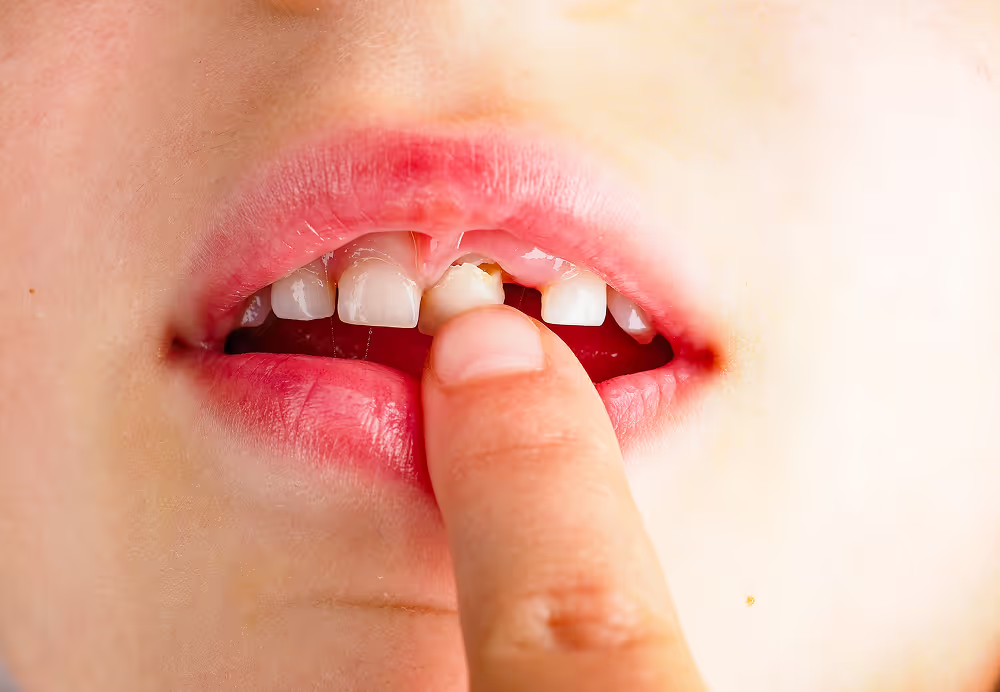
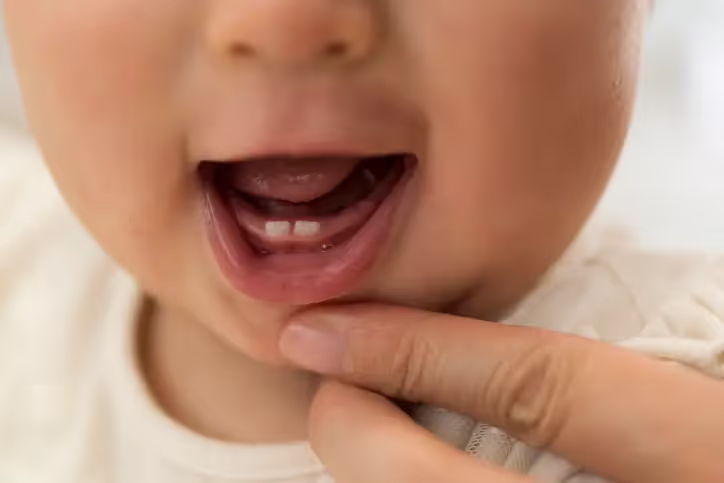
At Pawsitive Pediatric Dentistry, we often hear parents ask, “They’re just baby teeth… do they really matter?” The short answer is yes-baby teeth are extremely important for your child’s growth, development, and long-term oral health. Even though they eventually fall out, these first teeth play a major role in how children speak, eat, and how their adult teeth grow in later. Let’s take a closer look at why baby teeth matter more than many parents realize.


