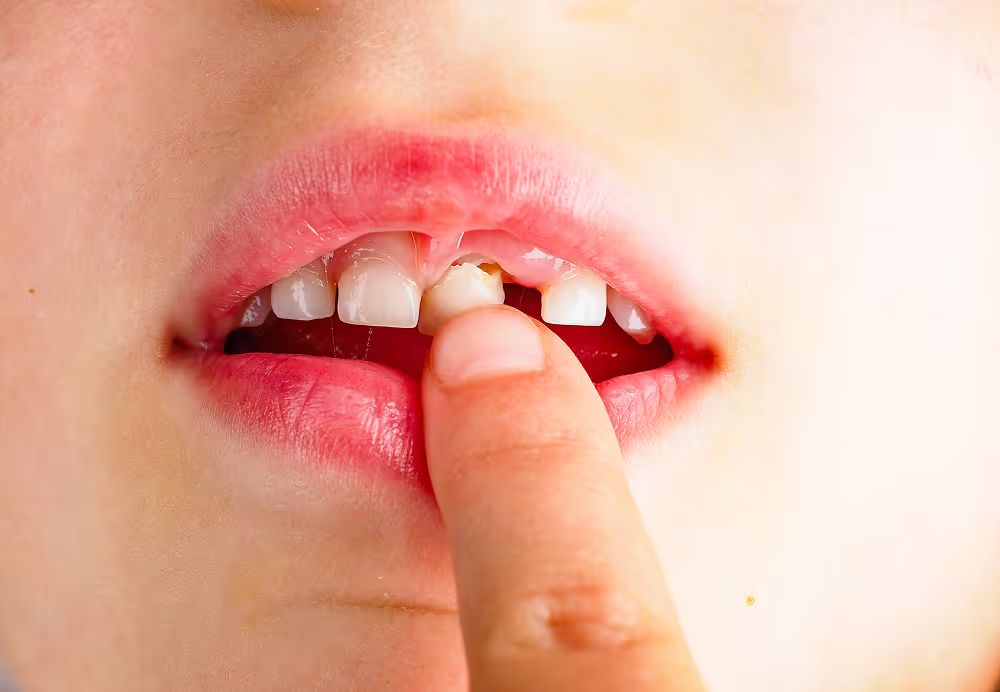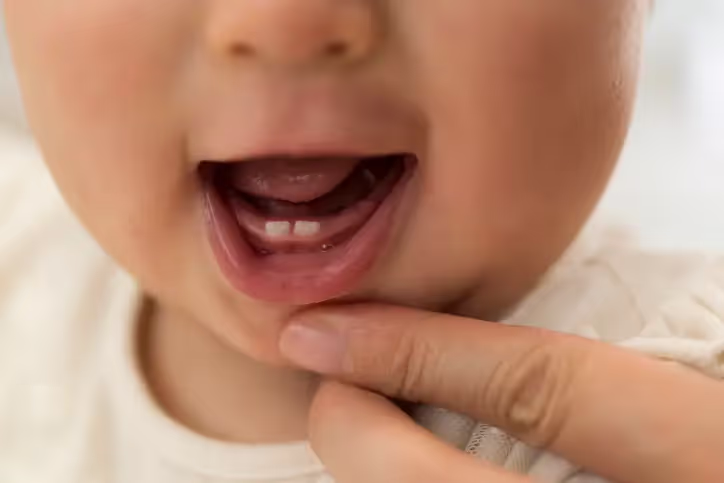
At Pawsitive Pediatric Dentistry, we often hear parents ask, “They’re just baby teeth… do they really matter?”
The short answer is yes-baby teeth are extremely important for your child’s growth, development, and long-term oral health. Even though they eventually fall out, these first teeth play a major role in how children speak, eat, and how their adult teeth grow in later.
Let’s take a closer look at why baby teeth matter more than many parents realize.
Baby Teeth Help With Speech Development
Baby teeth play a key role in helping children form words and pronounce sounds clearly. Teeth work together with the tongue and lips to produce many common sounds, including “s,” “th,” “f,” and “v.”
If baby teeth are lost too early due to decay or injury, children may struggle with certain pronunciations while their speech is still developing. Keeping these teeth healthy helps support clear speech patterns and confidence when talking.
At Pawsitive Pediatric Dentistry, we focus on preventive care and early dental visits to help protect your child’s teeth during these important developmental years.
Baby Teeth Hold Space for Adult Teeth
Baby teeth act as natural placeholders for the permanent teeth that will come in later. Each baby tooth helps guide the adult tooth into the correct position.
When a baby tooth is lost too early, nearby teeth can shift into the empty space, which may block or crowd the adult tooth trying to come in. This can lead to alignment issues that sometimes require orthodontic treatment later on.
By keeping baby teeth healthy and in place as long as possible, we help ensure that permanent teeth have the proper space to grow naturally.
Facial Growth and Development
Chewing plays an important role in healthy facial growth and development in children. When kids regularly chew firm foods, the muscles of the jaw are actively engaged, helping stimulate the growth of the jawbones and surrounding facial structures. This natural activity encourages proper alignment of the teeth, supports the development of a well-shaped palate, and can even promote better airway space.
Diets made up mostly of very soft or highly processed foods require less chewing, which may reduce this natural stimulation during critical growth years. Providing children with age-appropriate foods that require chewing-such as crunchy vegetables, fruits, and protein-rich foods-helps support stronger jaws, balanced facial development, and overall oral health.
Healthy baby teeth play a key role in this process. They allow children to chew food properly, which is important for digestion and overall nutrition. When kids have tooth pain or cavities, they may begin to avoid certain foods-especially crunchy fruits, vegetables, or proteins that require more chewing. Over time, this can affect their diet, nutrition, and energy levels.
Strong, healthy baby teeth help children comfortably enjoy a balanced variety of foods that support proper growth, development, and lifelong oral health.
Protecting Baby Teeth Starts Early
Caring for baby teeth early helps set the foundation for a lifetime of healthy smiles. Some simple ways parents can help include:
- Brushing twice a day with a small amount of fluoride toothpaste
- Helping children floss once teeth begin touching
- Limiting sugary snacks and drinks
- Scheduling regular dental checkups
At Pawsitive Pediatric Dentistry, our goal is to create a positive, comfortable dental experience for every child while helping parents understand how early dental care protects their child’s future smile.
A Healthy Start for Lifelong Smiles
Baby teeth may be temporary, but their impact lasts for years. From speech development to guiding permanent teeth and supporting healthy eating habits, these small teeth play a big role in your child’s development.
If your child is due for a dental visit, our team is here to help keep their smile healthy, happy, and strong from the very beginning.

recent posts

%20(1).png)
Common Summer Dental Emergencies and What Parents Should Do
Summer is filled with sunshine, sports, vacations, and outdoor adventures. While it's a season packed with fun, it's also one of the busiest times of year for pediatric dental injuries. Whether your child is riding a bike, playing at the pool, or enjoying a game of baseball, accidents can happen when you least expect them