
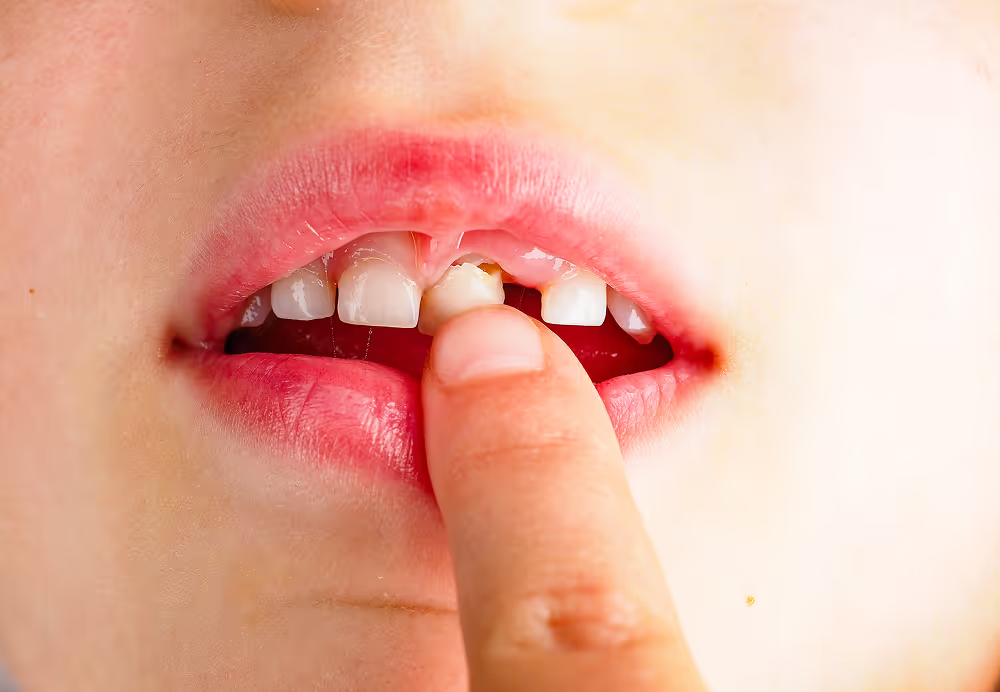
As the weather warms up, one of our favorite simple treats comes back into rotation: all-naturalfruit popsicles.
And while loose teeth happen year-round, this season gives us a perfect way to make theexperience a little more comfortable and even fun.
At Pawsitive Pediatric Dentistry, we see that wiggly teeth can bring excitement, curiosity, andsometimes uncertainty. With the right guidance, this milestone can feel predictable and positive.
When Do Kids Start Losing Teeth?
Most children begin losing baby teeth between ages 5 and 7, usually starting with the lower front teeth. Timing varies, and that is normal.
The American Academy of Pediatric Dentistry (AAPD) notes that tooth loss generally follows natural eruption patterns, with most children losing all 20 baby teeth by early adolescence.
Do You Need to Pull a Loose Tooth?
This is a common misconception.
Teeth do not need to be “pulled.”
What actually helps:
● Encourage gentle daily wiggling with clean fingers or the tongue
● Move the tooth side to side and slightly forward and back
● As it becomes very loose, a light wiggle and small twist is all that is needed Signs it is ready:
● Very mobile
● Moves easily in all directions
● Minimal to no discomfort
If a tooth is not ready, forcing it out can cause pain, bleeding, or tissue irritation. Let the process progress gradually.
What Wiggling Should Feel Like
The first loose teeth, usually the front teeth, are ideal for learning. They move side to side and are easier for children to manage.
Back teeth are different. Molars tend to loosen with more of a rocking or “seesaw” motion, which can take longer and feel less predictable.
A Simple Comfort Tip
After a tooth comes out, mild gum sensitivity is normal.
A cold fruit popsicle can act as a gentle, soothing “mini ice pack” while also feeling like a reward. It is one of our favorite ways to combine comfort and celebration, especially on warm days.
Oral Care Matters
During this stage:
● Brush gently but thoroughly twice daily
● Keep flossing, even around loose teeth
● Avoid very sticky or hard foods if a tooth is close to coming out
The AAPD emphasizes maintaining good hygiene to support healthy eruption of permanent teeth.
When to Call the Dentist
Reach out if:
● A tooth becomes loose after an injury
● There is significant pain or swelling
● A permanent tooth is coming in and the baby tooth is not loosening
Final Thought
Loose teeth are a normal part of development, not something to rush. With gentle guidance and a little creativity, this stage can build confidence and positive dental experiences.
And sometimes, a popsicle makes it even better.

recent posts
%20(1).png)
Common Summer Dental Emergencies and What Parents Should Do
Summer is filled with sunshine, sports, vacations, and outdoor adventures. While it's a season packed with fun, it's also one of the busiest times of year for pediatric dental injuries. Whether your child is riding a bike, playing at the pool, or enjoying a game of baseball, accidents can happen when you least expect them


