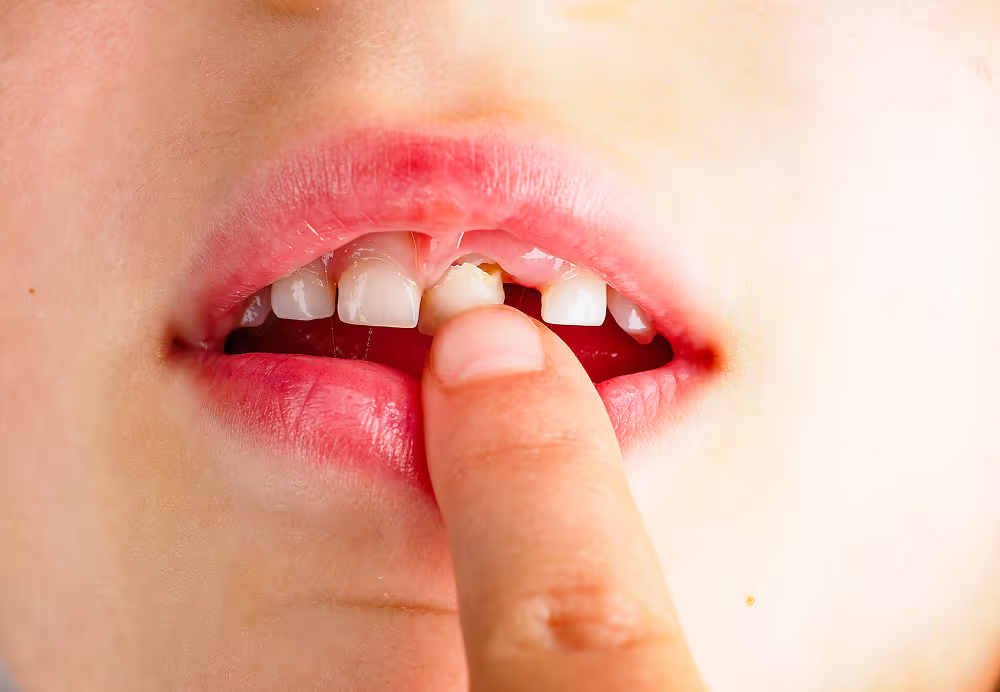
At some point, every parent hears the question:
“Can I brush my own teeth?”
It can be tempting to hand over the toothbrush and celebrate the new independence. But here's the thing many parents don't realize:
Being able to hold a toothbrush isn't the same as being able to brush effectively.
Brushing your teeth is actually a surprisingly complex skill. It requires coordination, concentration, reaching every surface, and understanding where and how to brush. It also requires fine motor skills and hand dexterity that develop over time.
So how do you know when your child is truly ready to take over?
Let's put them to the test!
The Toothbrush Test
Instead of asking, “How old is my child?”, ask:
1. Can they reach every area of their mouth?
A child may be able to brush their front teeth beautifully while completely missing their back molars.
Watch to see whether they can reach:
- The outside of their back teeth
- The inside surfaces of their teeth
- The chewing surfaces of their molars
- Along the gumline
- Those hard-to-reach areas behind the last teeth
If they're consistently missing certain areas, they're probably not ready to brush completely independently.
2. Can they brush for long enough?
Children are often enthusiastic brushers-but enthusiasm doesn't always equal effectiveness!
If your child brushes for 15 seconds and announces, “I'm done!”, they're probably not ready to manage the entire routine on their own.
A good brushing routine takes time and attention, not just a quick pass over the front teeth.
3. Can they perform tasks that require hand dexterity?
One of the best ways to gauge your child's readiness to brush independently is to look at how they handle other everyday tasks that require fine motor skills, coordination, and precision.
Can your child tie their own shoes independently? Can they use scissors to cut out a complex shape, like a star, accurately and without help?
These tasks require more than simply using their hands. They involve controlled, precise movements-similar to the coordination needed to maneuver a toothbrush around every tooth and reach those tricky areas in the back of the mouth.
Hand dexterity matters! A child may be able to hold a toothbrush and move it around their mouth, but effective brushing requires the ability to control those movements with enough precision to clean all tooth surfaces.
If your child is still developing these skills, they may need a little extra help with brushing, too. Every child develops at their own pace, so these activities aren't a pass-or-fail test. They're simply helpful clues when deciding whether your child is ready to take on more responsibility for their oral hygiene.
4. Can they follow directions?
Try giving your child a simple challenge:
“Show me how you brush the back of your teeth.”
Can they follow the instructions and intentionally move the toothbrush to the areas you're asking about?
If they need constant reminders about where to brush, they may still benefit from your help.
5. Are they actually removing plaque?
This may be the biggest test of all.
Your child can brush independently every morning and night and still have significant plaque buildup.
During dental visits, we often see patterns that tell us which areas a child is consistently missing. Sometimes the issue isn't that they're not brushing—it's that they haven't developed the skills to brush effectively yet.
Independence Is Great-But You Can Still Help!
Letting your child practice brushing independently is an important part of developing confidence and responsibility.
But there's no rule saying they have to do the entire job themselves.
One approach that works well for many families is:
“You brush first, then I brush.”
Let your child take the lead and practice their skills. Then have a parent or caregiver finish the areas they may have missed.
This gives children independence without sacrificing oral hygiene.
Why Age Isn't the Only Factor
You may have heard that children should be supervised with brushing until a certain age. While age can provide a general guideline, developmental readiness matters too.
Children develop fine motor skills at different rates. Some may become excellent independent brushers earlier, while others need hands-on help for longer.
Things like coordination, hand dexterity, attention span, consistency, and the ability to follow directions all matter.
The most important question isn't simply whether your child has reached a certain age. It's whether they can consistently brush all tooth surfaces effectively and thoroughly.
And remember-your child's confidence may develop before their brushing skills do!
Being very confident that they can brush alone doesn't necessarily mean they're ready to do it effectively.
Try This at Home
Want to see how your child's brushing skills are developing?
The next time they brush, don't immediately correct them.
Instead, watch.
- Where do they start?
- Which teeth do they spend the most time on?
- Do they reach the back teeth?
- Do they brush the inside surfaces?
- Do they brush along the gumline?
- Do they rush?
- Can they maneuver the toothbrush with control and precision?
You may be surprised by what you notice!
You can even make it a game:
“Show me your hardest tooth to brush!”
Then help them practice that area.
What Your Pediatric Dentist Can Help With
Your child's dental visits aren't just about finding cavities.
During routine appointments, your pediatric dental team can identify areas where your child's brushing technique may need improvement and demonstrate ways to make brushing easier and more effective.
We can also help parents determine whether their child's current level of independence is appropriate for their developmental stage.
Sometimes the best recommendation isn't “Brush better.”
It's something much more practical-“Your child still needs a little help reaching those back teeth.”
The Goal Isn't Perfect Independence
Eventually, your child will be completely responsible for their own oral hygiene.
But there's no prize for getting there as quickly as possible.
The goal is to help your child develop good habits, good technique, and confidence so that when they are ready to brush independently, they can actually do it well.
So the next time your child asks, “Can I brush by myself?”
Our answer is:
Absolutely-let's practice!
And if they still need a little help afterward?
That's completely okay.
Because sometimes growing up means learning to do things independently—and sometimes it means knowing when it's okay to let someone help.

recent posts


Common Summer Dental Emergencies and What Parents Should Do
Summer is filled with sunshine, sports, vacations, and outdoor adventures. While it's a season packed with fun, it's also one of the busiest times of year for pediatric dental injuries. Whether your child is riding a bike, playing at the pool, or enjoying a game of baseball, accidents can happen when you least expect them