When parents bring their child to the dentist, they often assume we're simply looking for cavities. While checking for tooth decay is certainly important, a comprehensive pediatric dental exam involves so much more! At Pawsitive Pediatric Dentistry, every visit is an opportunity to monitor your child's oral health, growth, and development. Here are 10 things we're evaluating during each exam that you may not even realize.
1. How the Teeth Are Growing In
We carefully monitor the timing and position of incoming teeth.
Are permanent teeth erupting where we expect them to? Are baby teeth hanging on too long? Is there enough room for adult teeth? Identifying concerns early can help prevent more complex problems later.
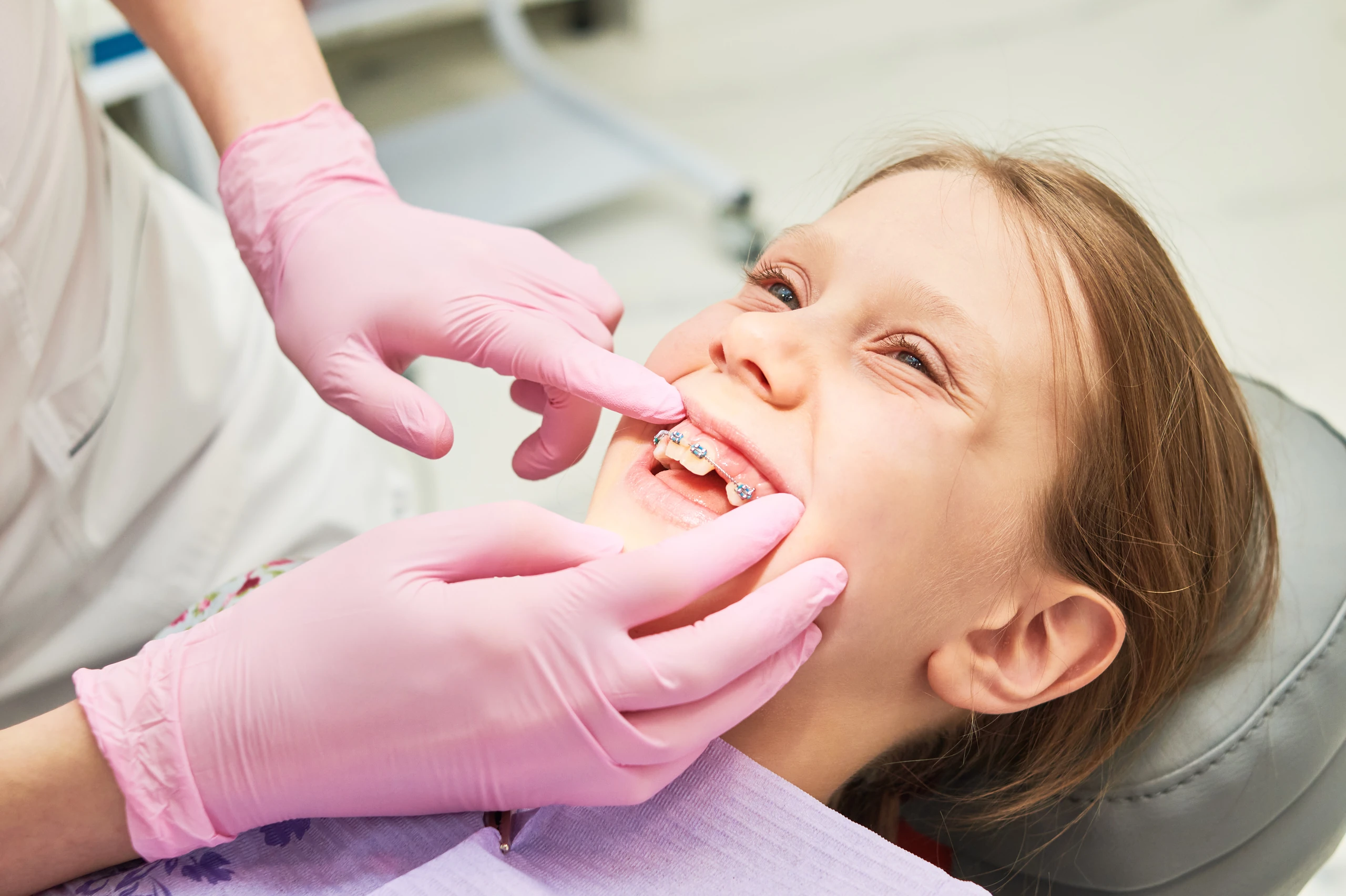
2. The Way the Teeth Fit Together (The Bite)
Even in young children, we're watching how the upper and lower teeth come together.
An uneven bite, crossbite, open bite, or deep bite can affect chewing, speech, jaw development, and future orthodontic needs. Early detection allows us to monitor growth and refer whenappropriate.
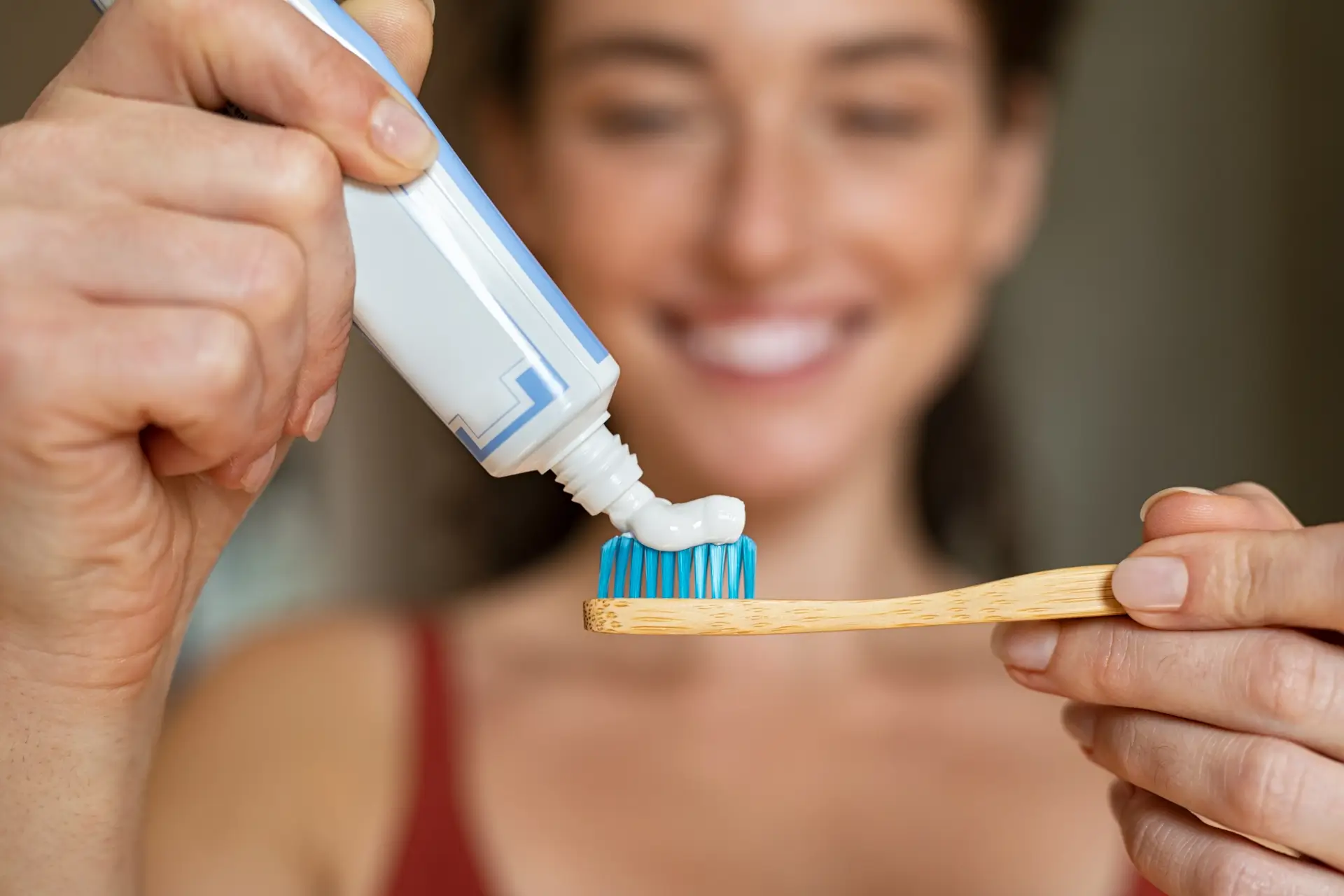
3. Plaque Build-Up
Plaque can hide in places that are easy to miss at home-especially along the gumline and between teeth.
The location of plaque helps us tailor brushing and flossing recommendations to your child's specific needs.
4. Gum Health
Healthy gums should look pink and feel firm.
Redness, swelling, or bleeding may be early signs of gingivitis. Catching these changes early allows us to recommend simple improvements before more significant problems develop.
5. Enamel Changes
Sometimes we notice white, brown, or chalky spots on teeth.
These may be caused by enamel defects (such as hypoplasia or hypomineralization), early demineralization, fluorosis, or other developmental conditions-not every spot is a cavity. Determining the cause helps us choose the best treatment or monitoring plan.
6. Signs of Grinding or Tooth Wear
Many children grind their teeth, especially during sleep.
We're looking for flattened chewing surfaces, tiny chips, and unusual wear patterns. In some children, grinding is temporary. In others, it may be worth discussing sleep habits, allergies, airway concerns, or other contributing factors.
7. Tongue, Lips, and Other Soft Tissues
A healthy smile includes more than teeth.
We examine the tongue, cheeks, lips, gums, and the roof and floor of the mouth to ensure everything appears healthy and is developing normally.
8. Clues About Breathing Habits
Believe it or not, your child's mouth can tell us a lot about how they breathe.
Dry mouth, chronic mouth breathing, enlarged tonsils, or certain facial growth patterns may prompt a conversation about sleep quality, allergies, or an evaluation by your child's pediatrician or an ENT specialist when appropriate.
9. Clues About Daily Habits
Your child's teeth often tell a story. We may notice signs that suggest:
- Frequent snacking
- Sugary or acidic drinks
- Thumb or finger sucking
- Nail biting
- Cheek or lip biting
- Pacifier habits
- Orthodontic appliance wear
These observations help us provide personalized guidance rather than one-size-fits-all advice.
10. How Your Child Feels at the Dentist
One of the most important things we evaluate isn't something we see-it's how your child experiences their visit.
Are they becoming more confident? Do they have questions? Are there sensory concerns or fears we can help address?
Creating positive dental experiences helps children build lifelong healthy habits and confidence in caring for their smiles.
It's About More Than Cavities
Every dental visit is a chance to check on your child's overall oral health, growth, and development. By identifying concerns early, we can often recommend simple preventive steps before they become larger problems.
At Pawsitive Pediatric Dentistry, we're not just counting teeth-we're getting to know your child, supporting their development, and partnering with your family to keep every smile healthy for years to come.
We encourage parents to ask questions during every visit. Understanding what we're looking for can help you feel even more confident about your child's dental care and the important role you play at home.

recent posts

%20(1).png)
Common Summer Dental Emergencies and What Parents Should Do
Summer is filled with sunshine, sports, vacations, and outdoor adventures. While it's a season packed with fun, it's also one of the busiest times of year for pediatric dental injuries. Whether your child is riding a bike, playing at the pool, or enjoying a game of baseball, accidents can happen when you least expect them