
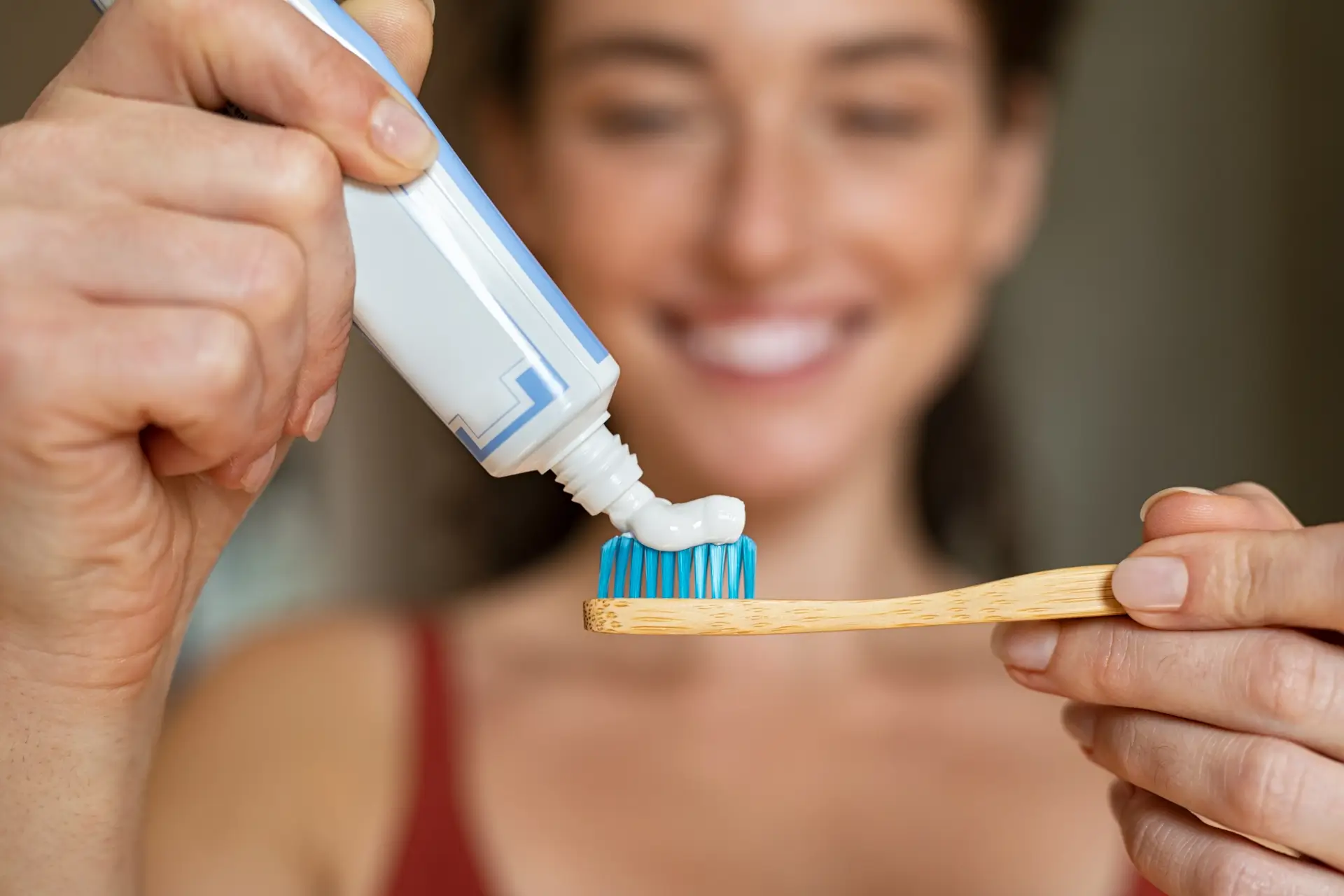
How Heat, Humidity, and Travel Can Affect Your Child's Toothbrush
Your child's toothbrush works hard every day to remove plaque, food particles, and bacteria from their teeth. But have you ever stopped to think about what's happening to the toothbrush itself -especially during the summer?
Between family vacations, sleepaway camp, pool days, and warm, humid weather, your child's toothbrush may be exposed to conditions that can affect how clean and effective it stays.
At Pawsitive Pediatric Dentistry, we often remind families that a healthy smile starts with healthy brushing habits-and that includes taking good care of the toothbrush. Here's what parents should know about toothbrush care during the summer months.
Summer Humidity Can Keep Toothbrushes Damp
Warm weather and increased humidity create the perfect environment for moisture to linger. Since bacteria and mold tend to thrive in damp environments, it's important to let toothbrushes dry properly between uses.
A toothbrush doesn't become unsafe simply because it's wet, but storing it in a way that prevents it from drying can encourage unwanted microbial growth over time.
Help Toothbrushes Dry Properly by:
- Allowing them to air dry after each use.
- Keeping them uncovered whenever possible.
- Avoiding closed containers for everyday storage at home.
If several family members store their toothbrushes together, make sure the brush heads don't touch each other. This helps reduce the chance of germs spreading from one brush to another.
Traveling? Don't Let Your Toothbrush Stay Trapped
Summer vacations are exciting—but toothbrush storage is often overlooked.
Many families place a wet toothbrush into a travel case immediately after brushing. While travel cases are useful for protecting the bristles, trapping moisture inside a sealed container for hours can create an environment where germs may multiply.
Travel Toothbrush Tips
- Shake excess water off the toothbrush after brushing.
- Let it air dry for a few minutes before packing when possible.
- Open the travel case once you arrive at your destination so the brush can dry completely.
- Rinse the toothbrush thoroughly before using it again.
If you're camping or spending time outdoors, try to keep toothbrushes in a clean, dry location away from dirt, sand, and standing water.
When Should You Replace Your Child's Toothbrush?
Summer is actually a great reminder to check the condition of your child's toothbrush.
A worn toothbrush simply doesn't clean teeth as well. Frayed bristles are less effective at removing plaque and may miss hard-to-reach areas.
The American Dental Association recommends replacing toothbrushes approximately every 90 days or sooner if the bristles become bent or worn.
You should also replace your child's toothbrush:
- After recovering from illnesses like the flu or strep throat.
- If the brush has been chewed on extensively.
- If it has fallen into an unsanitary place.
Many families find it easy to remember by replacing toothbrushes with the changing seasons.
A Fresh Toothbrush Helps Create a Healthy Smile
Even the best toothbrush can't do its job if it's worn out or improperly stored. Summer routines may be more relaxed, but keeping up with simple toothbrush care can make a big difference in protecting your child's teeth from plaque and cavities.
At Pawsitive Pediatric Dentistry, we're committed to helping families build healthy habits that last well beyond summer vacation. During your child's routine dental visit, we're always happy to answer questions about brushing techniques, toothbrush selection, and other ways to keep growing smiles healthy.
Schedule Your Child's Next Dental Visit
Summer is the perfect time to refresh healthy habits-including replacing old toothbrushes and scheduling a dental checkup before school starts again. Contact Pawsitive Pediatric Dentistry today to schedule your child's next visit, and let us help keep every smile bright, healthy, and ready for another season of adventures.

recent posts
%20(1).png)
Common Summer Dental Emergencies and What Parents Should Do
Summer is filled with sunshine, sports, vacations, and outdoor adventures. While it's a season packed with fun, it's also one of the busiest times of year for pediatric dental injuries. Whether your child is riding a bike, playing at the pool, or enjoying a game of baseball, accidents can happen when you least expect them


